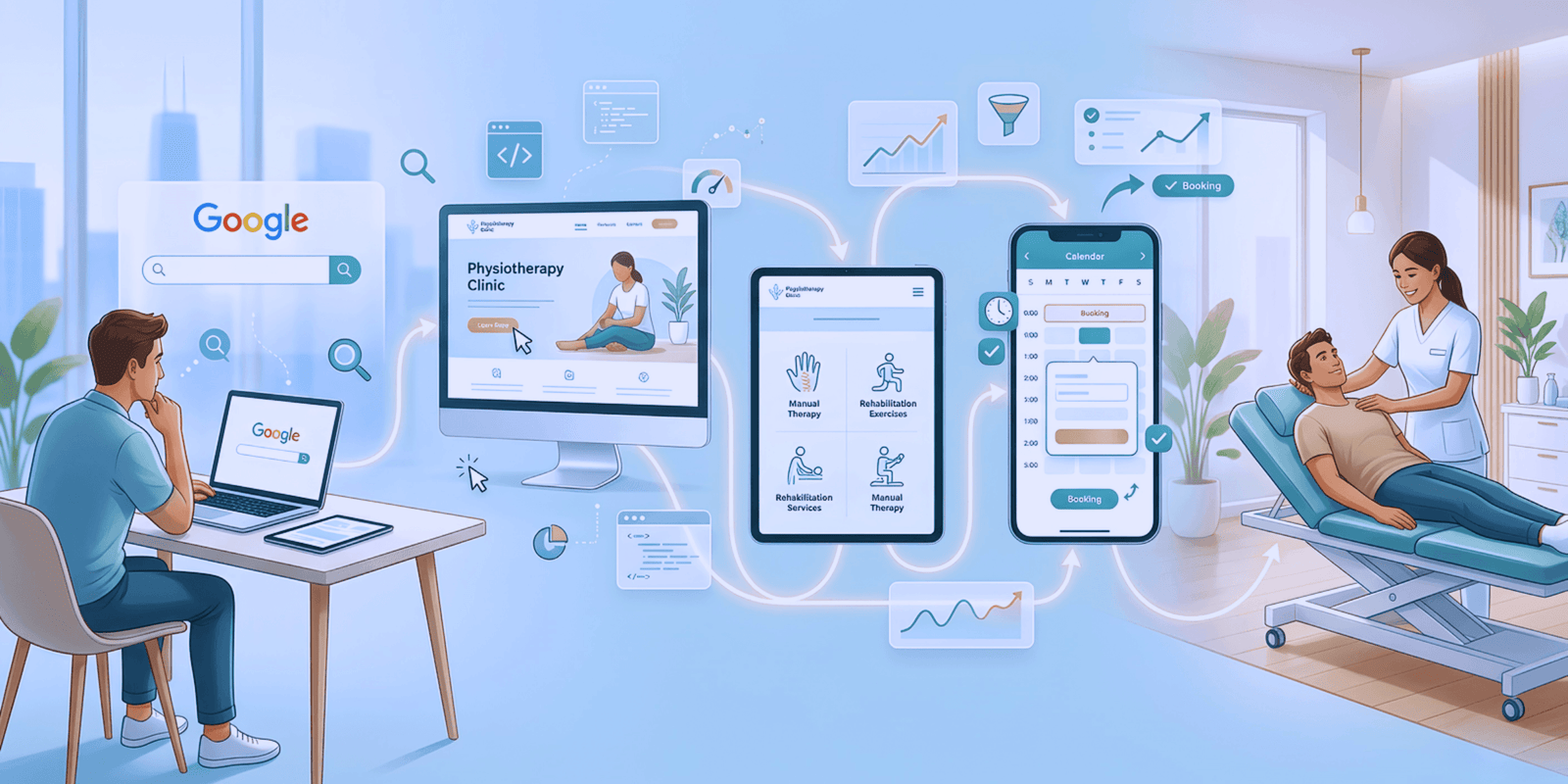
AI based search engines are changing the search engine and client search experience game by delivering instant, summarized answers from multiple sources – faster than traditional Google search. As Gen AI-powered search evolves, will it soon replace all our efforts to build SEO for top Google search? Let’s unfold the answers.
How does Gen AI-powered search work?
Generative AI (Gen AI) is a type of artificial intelligence that can create content—such as text, images, or code based on human prompts and Gen AI-powered search is like a smarter search engine. Instead of just matching keywords, it uses advanced AI like natural language processing and machine learning to really understand what you’re asking. Also, it gives you more complete, helpful answers.
Instead of showing a bunch of links, generative AI tries to understand what you really mean. It picks up on small details in your question, pulls info from different trusted sources and gives you a clear, easy-to-understand answer.
For example, if you search “best places to visit in Japan” it won’t just list blogs but gives you a short summary with top spots and experiences all in one search.

Strengths of search engine powered by AI
- Smarter understanding: Gen AI tools get what you really mean, not just the exact words you type. Therefore, they give you more accurate and relevant answers.
- Clear, quick summaries: It sums things up neatly, saving you clicks and time.
- More natural conversations: You can ask questions like you’re chatting with a friend. The AI understands and responds smoothly.
- Personalized results: Based on your past searches, it adapts answers to fit your needs, making the search experience more useful.
- Helps you explore more: It connects ideas, shows related information you might miss and turns every search into a mini discovery journey.
Limitations of AI search tools
- Not always accurate: Gen AI search engines can get things wrong due to AI hallucination. This is a common issue where AI makes up facts or gives outdated, misleading information that sounds real but isn’t.
- Lack of transparency: Unlike traditional search engines, it’s tricky to know how AI came up with a certain answer. That can be a problem in serious topics like health or finance.
- Requires detailed input: If your query is too vague, the search results might miss the point. These tools often need more details to give good results.
- Limited contextual understanding: Gen AI search engines often miss the subtle stuff like sarcasm, humor or cultural references. So the response might come out weird or just totally wrong.

User’s search behavior and preferences changes in AI era
Most of us are used to typing short, keyword-based questions and quickly skimming through links for Google search. People prefer quick answers, they want to jump straight to what they need without extra steps.
Gen AI tools often need longer, clearer questions to give good answers and not everyone’s ready to change how they search. Plus, people tend to trust what they know.
Google has built that trust over years. Unless Gen AI tools can make the search experience feel not just smarter but also easier and more personal, it’ll be hard to pull users away from what they’re already comfortable with.
Google’s strategic response to Gen AI-powered search rises
To stay ahead as Gen AI tools grow fast, Google launched Gemini – its custom generative AI platform. Gemini can understand multiple types of content and is already being integrated into Google products.
This way, Google gives people a way to type keywords like usual but also getting smart AI answers.
So, can AI search engines really overtake Google? For now, the answer is no. While AI brings exciting changes, it still faces challenges like AI hallucination and trust.
As search keeps changing, your business needs to keep up. BRANDCOM is here to be a leading digital marketing partner to help you stay on top of every shift in the Gen AI-powered search game!